NESTOS
The adaptive operating system for modern battlefield operations
NestOS is an open, modular platform for intelligence that evolves after deployment.

Battlefield adaptation
The conditions change.
The intelligence should too.
At the heart of NestOS is a data-centric AI Engine that turns operational data into deployed intelligence, continuously.
01 — Operational data capture
Real-world signals from deployed systems, sensors, and missions feed directly into the Engine
02 — Gap identification
The Engine detects when deployed models fall behind current conditions.
03 — Synthetic data generation
New training data is generated rapidly, without waiting for additional field exposure.
04 — Rapid deployment
From identified gap to updated, validated model in days, not procurement cycles.
Platform components
Where the Engine runs
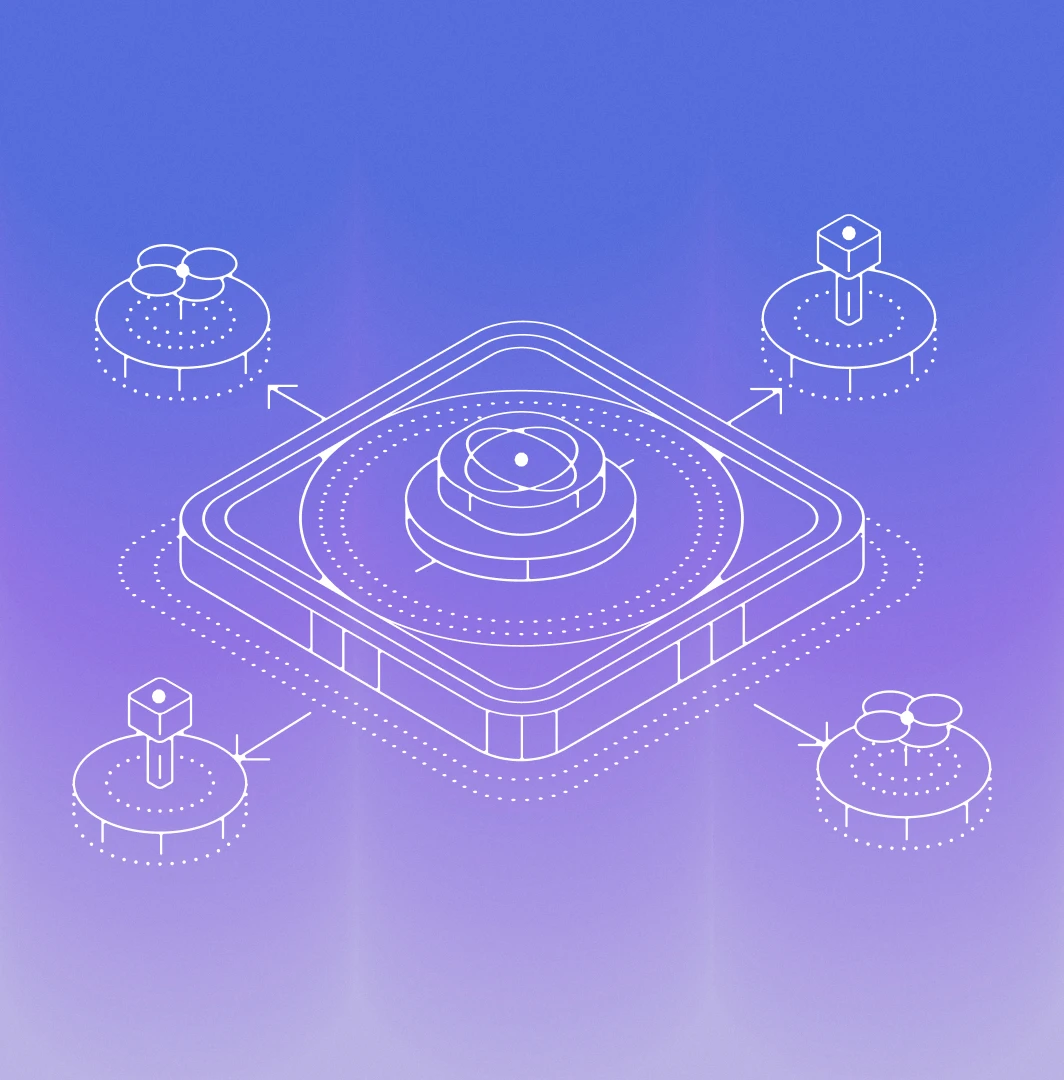
The NestOS Engine operates across two environments, Edge and Core. Both are open and modular. Both integrate with legacy systems. Neither requires cloud connectivity to function.
Operational roles
powered by NestOS
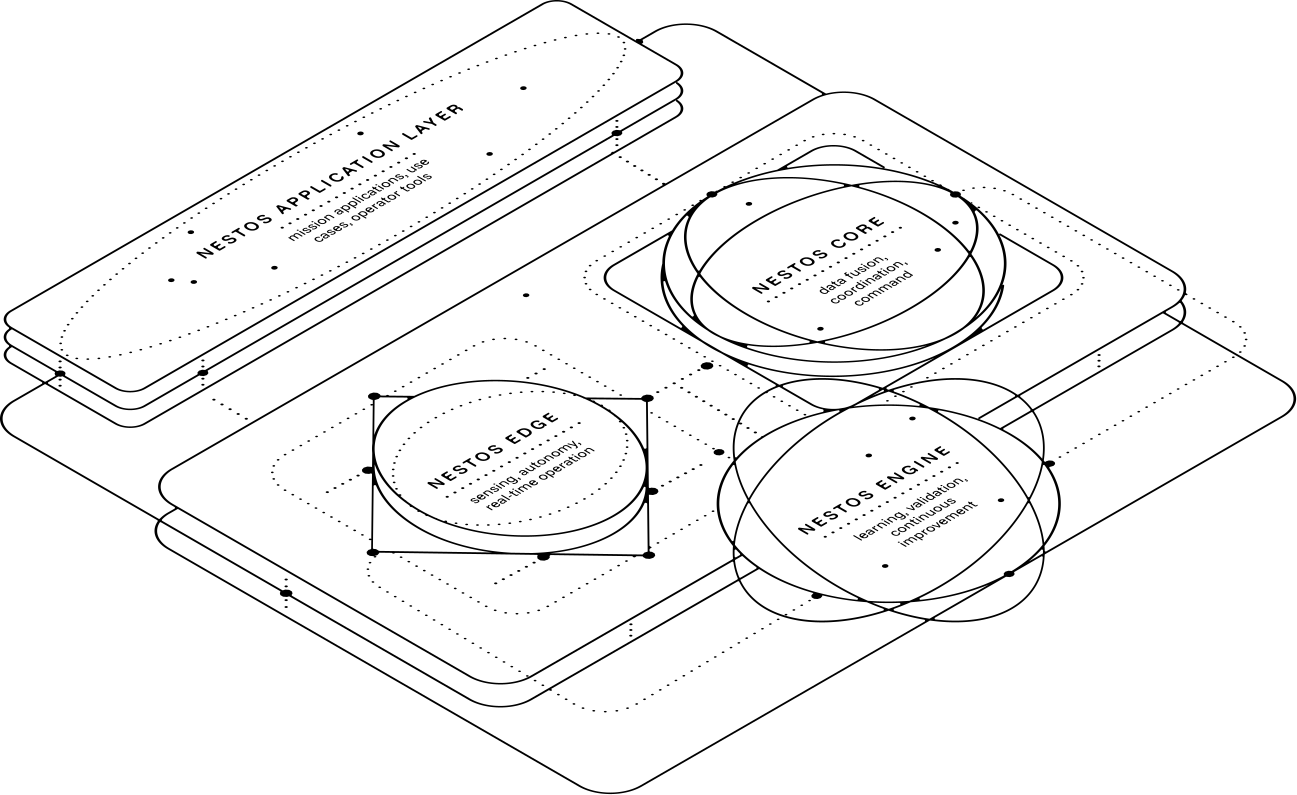
NestOS Edge
Sensing · Autonomy · Real-time operation

Battlefield autonomy
Most AI stops working the moment connectivity fails. NestOS Edge runs inference and mission logic directly on the platform, so unmanned systems can sense, decide, and act when conditions are worst.
Operates in GPS-denied, signal-jammed, and bandwidth-constrained environments
Sense, decide, and act without cloud dependency or data links
Hardware-agnostic across heterogeneous aerial, ground, and maritime fleets
NestOS Core
Data fusion · Coordination · Command

Battlefield orchestration
More sensors produce more data, not better decisions. NestOS Core fuses multi-sensor, multi-platform data into a single operational picture, turning information overload into actionable situational awareness.
Unified picture across diverse UxV fleets, sensors, and legacy systems
AI-powered decision support that keeps pace with operational tempo
Integrates with existing defence systems without re-architecture
A unified system architecture
One system.
Every layer connected.
NestOS components are designed to work together, and independently. Open interfaces mean new sensors, platforms, and capabilities integrate without re-engineering the system. NestOS Applications are purpose-built and modular. Select what fits your operational requirements, extend with programme-specific capabilities, or build your own on the same open architecture.
Built for sovereignty
Control stays with the operator. By architecture.
NestOS is designed so operators retain full control over their systems, data, and capability evolution.
01 — Interoperability across mixed fleets and legacy systems
Open interfaces integrate new platforms and sensors without re-engineering existing infrastructure.
02 — Operator control over data and capability evolution
Operational data stays under your control. Capability evolves on your requirements, not a vendor's release cycle.
03 — Observable and governable autonomy
Human operators remain in the loop. System behaviour is transparent and accountable at every decision point.
04 — No dependency on non-European platforms
Built in Europe. Designed to remain under European control across its full lifecycle.